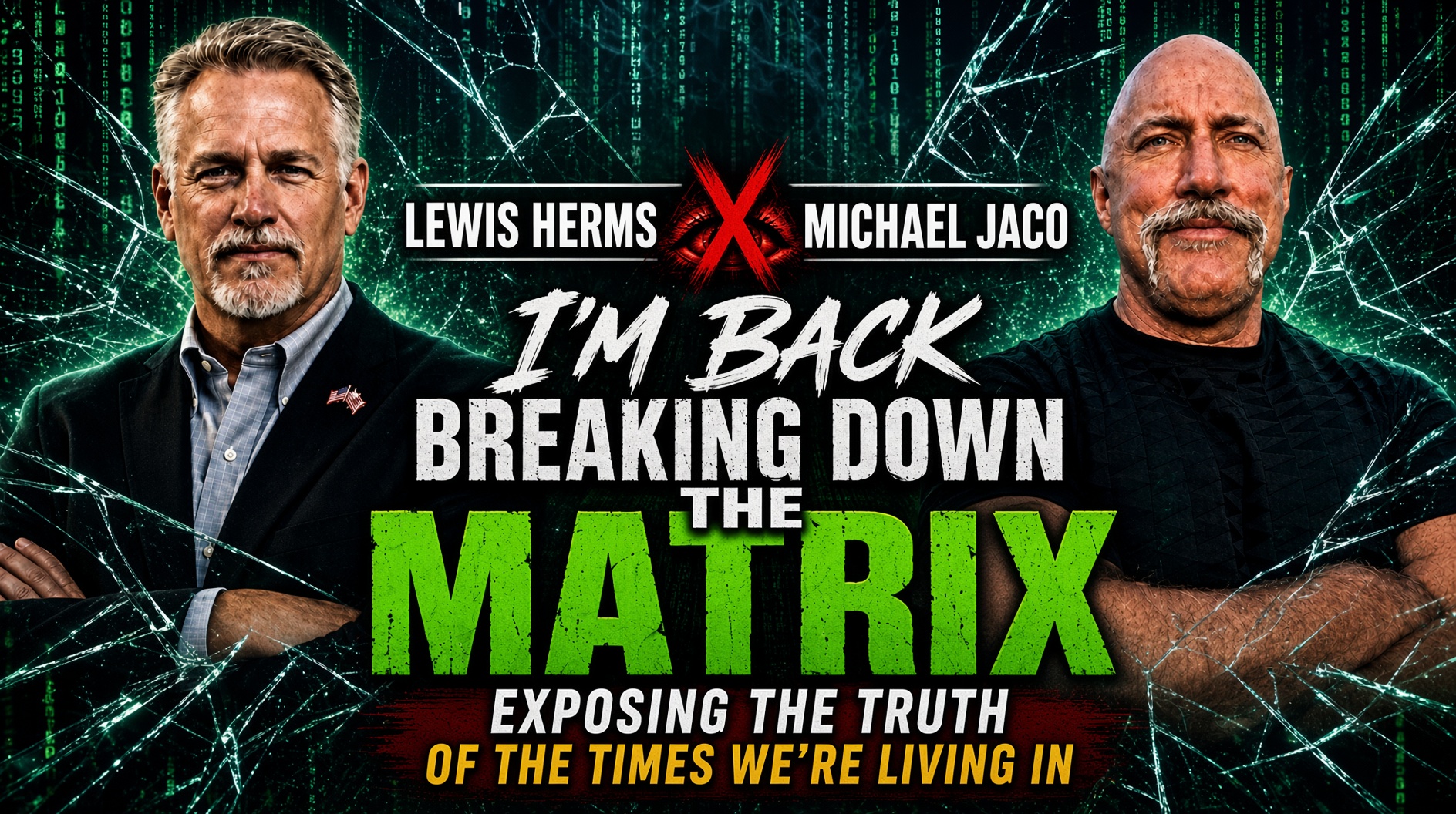

The Federal Reserve raised interest rates when many expected a cut. Grocery bills keep climbing, and some people now get questioned when they try to withdraw their own cash. So where are gold and silver prices headed next? In the latest episode of What's Happening Right Now?, Lewis Herms ("Mr. Sensible") and precious metals dealer Matt Geiger cover the Fed, inflation, the banks, and why they think physical metals matter more than ever.
Here are the main points from the conversation.
The Fed Surprised Markets With a 25-Basis-Point Hike
According to the hosts, President Trump has pushed for rates of around 1%. The Fed under Kevin Warsh went the other way instead, raising rates 25 basis points, from 3.75% to 4%.
Geiger explained the textbook reasoning: to cool inflation, you raise rates toward or above the inflation rate. Both hosts argue that the official inflation numbers badly understate what families actually pay. They suggest the real rate may be far higher once you look at groceries and everyday essentials.
Geiger also sees the public disagreement between Trump and Warsh as something like a staged "Apprentice-style" feud. In his view, it could give cover for a gradual move away from the current Federal Reserve structure. He expects the public back-and-forth to get louder.
Why it matters for borrowers: Even at a 4% Fed rate, banks keep their lending spread. That means mortgage rates stay painfully high for everyday home buyers.
Shrinkflation: The Inflation Nobody Counts
One of the most practical parts of the episode was about shrinkflation. That's when a product quietly shrinks while the price stays the same.
If a package used to hold six items and now holds four at the same price, you're paying more, but official inflation figures don't capture it.
The hosts also argued that big retailers and fuel companies are slow to lower prices. Herms described the pattern at the pump: when crude oil rises, gas prices jump the same day. When crude falls, it can take weeks for pump prices to come down. The consumer absorbs the difference either way.
Why Are Banks Questioning Cash Withdrawals?
Both hosts said they're hearing more stories of people being questioned by their bank over withdrawals of $4,000 to $5,000 of their own money.
Herms said he believes many banks hold very little cash in reserve compared with what they lend out. In his view, that would explain why some banks get nervous when customers ask for their own money. Geiger added that he expects more exposure of toxic assets and bank fraud over the coming months.
Herms, who is known for his work on school bond financing, also pointed to how refinancing and added costs can make a $50 million school project cost taxpayers far more over time.
What the Rate Hike Did to Gold and Silver Prices
Normally a rate hike puts pressure on precious metals, and this one did too, at least briefly. Geiger said gold dropped roughly $100 after the announcement, to the low $4,200s. It then bounced back to the $4,300s the next day.
His outlook is that if rates eventually fall toward the 1% level Trump wants, gold and silver prices should move higher. That's because low-yield savings accounts become even less attractive by comparison.
Spot Price vs. Physical: Why Premiums Matter
Geiger pointed out an important difference many new buyers miss:
Spot price mostly reflects the paper market for gold and silver.
Physical metal sells at a premium over spot.
When supply gets tight, those premiums can climb sharply, even while the spot price falls.
He described seeing silver hit about $121 earlier in the year. Afterward, he faced two- to three-week back orders while the spot price was dropping. He believes that mismatch points to manipulation in the paper market.
The Big Bank Short Positions
Geiger thinks the next major run in silver could line up with trouble in the banking sector, because major banks hold large short positions in metals. If those shorts unwind, he suggests the Federal Reserve, acting as "buyer of last resort," could be used to absorb the toxic positions.
How Matt Geiger Suggests Thinking About Allocation
Geiger was clear that he does not recommend putting all your money into metals. His framework:
Keep what you need for everyday life and emergencies.
Look at excess cash sitting in savings, even savings earning around 5%.
Consider whether some of that excess belongs in physical gold and silver during a period he expects to be volatile.
He personally prefers U.S.-minted coins. He also noted that bars and rounds are a few dollars cheaper per ounce and are a perfectly reasonable choice. He encouraged listeners to support a local dealer if they have a good one.
Other Topics From the Episode
The conversation also covered several other stories from the hosts' point of view:
The midterms: Both hosts said they'd prefer a pause over another "sting operation."
Media and public trust: Herms praised Aaron Rodgers for using his celebrity to speak openly about pandemic-era messaging.
Ireland and the UK: Discussion of unrest over EU migration policy and talk of Irish unification.
The Declaration of Independence: Herms read passages on the people's right to "alter or abolish" a destructive government.
Giving back: Geiger is building air-conditioned kennels for Healing Healers, a dog rescue in Surprise, Arizona.
Key Takeaways
The Fed raised rates to 4%, and the hosts expect ongoing public friction between Trump and Warsh. Official inflation likely understates real costs because of shrinkflation and slow price cuts.
Banks questioning cash withdrawals may be a warning sign worth paying attention to.
Gold and silver prices dipped after the hike, but Geiger expects higher prices if rates come down or bank stress surfaces.
Physical metal premiums can rise even when spot prices fall, so know the difference before you buy.
Frequently Asked Questions
Why did gold drop after the Fed raised interest rates? Higher rates make interest-bearing accounts more attractive than non-yielding assets like gold, so prices often dip at first. In this case, Geiger said the drop was about $100 and partly recovered the next day.
What is the difference between spot price and physical price for silver? Spot price reflects paper-market trading. Physical coins and bars sell at a premium over spot, and that premium can jump when supply is tight.
Is it better to buy coins or bars? Geiger prefers U.S.-minted coins, but he says bars and rounds cost a few dollars less per ounce and are a valid option.
Disclaimer: This article summarizes opinions expressed by the show's hosts and guest. It is not financial or investment advice. Precious metals prices are volatile. Consult a licensed financial professional before making investment decisions.
Thank you to our valued partners who support our mission and provide our patriots with top-shelf products and services.

Verity Metals

Syrona

Petclub 247

4R Bees

Dulsa

Ascent Nutrition
© 2026 ScrewBigGov.com. All Rights Reserved.